
Level 2 vs Level 3: Which home survey is right for you?
Buying a home is an exciting time. It’s easy to fall in love with a property’s charm or location, and not always as easy to remember to be practical and delve into what lies beneath the surface. But this purchase will be one of the biggest financial decisions most of us will ever make, so it’s vital to know just what you’re buying. That’s where a RICS Home Survey comes in.
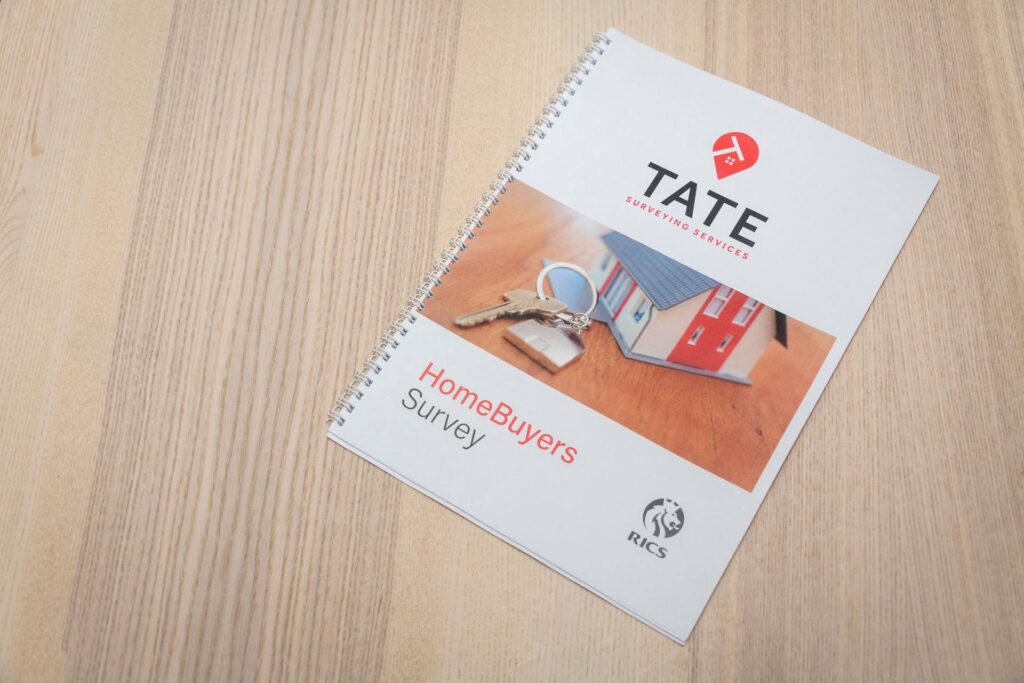
There are a lot of expenses involved in moving home and while a survey does mean extra cost, it’s one element we strongly recommend you don’t overlook. A good survey can actually save you money in the long run, as you’ll be aware of any potential issues from the outset. But you do have options in terms of the level of survey, and which one you choose depends on a number of factors.
Tate Surveying Services make sure you have the right level of survey for your property and that you understand exactly what it all means. We help homeowners across Sussex make confident, informed choices with clear, detailed reports that explain what’s really going on with a property.
The first question most buyers have is, “Do I need a Level 2 or Level 3 survey?”. Here we’ll take a closer look at what each level includes and how to decide which one’s right for your next home.
Understanding the RICS levels
We are accredited by The Royal Institution of Chartered Surveyors (RICS) to carry out Level 2 and Level 3 surveys.
RICS Building Survey Level 2
According to RICS, a Level 2 Survey is the most requested. Formerly known as a HomeBuyers Survey (or Report), this survey is designed for modern or conventional properties that appear to be in reasonable condition. It offers a clear overview of the building’s condition, identifying urgent issues, visible defects, and potential risks, flagging anything that could impact the property’s value or prove costly to put right.
It’s a visual inspection, so we’ll assess everything we can easily access, inside and out, and highlight areas that may need maintenance or further investigation. You’ll also receive a clear traffic-light rating system of the main features, showing what’s fine, what needs attention, and what’s urgent.
This level of survey is perfect if you’re buying a standard property built after the 1950s, constructed with conventional materials such as brick and tile, and you simply want reassurance that everything is as it seems.
RICS Building Survey Level 3
A Level 3 Survey is the most comprehensive assessment available (previously known as a RICS Building Survey). It’s designed for properties that are older, larger, have been altered, or made from non-standard construction materials.
Our surveyors take an in-depth look at the property’s structure and fabric. Like a Level 2 survey, it’s a visual and non-invasive inspection and nothing is damaged. A Level 3 survey, however, analyses not only what’s wrong, but why. We’ll explore possible causes, the likely impact if left untreated, and recommend practical next steps for repairs or maintenance.
For example, if we discover cracks in an external wall, a Level 3 report will describe the possible causes (such as settlement or movement), suggest how to monitor or remedy the issue, and note any further investigations that may be required.
This survey provides real peace of mind if you’re buying a period property or planning major renovations.
Level 2 vs Level 3: The key differences
| Feature | Level 2 Home Survey | Level 3 Home Survey |
|---|---|---|
| Suitable for | Modern, conventional homes in good condition and of standard construction | Older, larger, extended, or altered properties. Period homes, listed buildings, or properties with known issues |
| Inspection depth | Visual inspection only | More detailed, thorough examination of structure and materials |
| Type of issues covered | Highlights visible and urgent defects | Explains causes, consequences, and repair options |
| Maintenance advice | Basic | Detailed guidance on repairs and long-term maintenance |
| Valuation included | Optional | Typically not included |
| Report length | Shorter, focused summary | Longer, detailed narrative report |
How to choose the right survey
Every property is unique, so the “right” survey depends on a few key factors:
Age and construction
Sussex has a wonderfully diverse property mix – for example, flint cottages, Georgian terraces, mid-century homes and new builds.
- Level 2 suits newer brick-built homes with tiled roofs and no major alterations.
- Level 3 is ideal for anything built before 1900, or that uses traditional materials like timber frames, flint, or bungaroosh (a mix of rubble, broken bricks, flints, pebbles, and sand, held together with lime mortar, and common in Brighton and surrounding coastal towns).
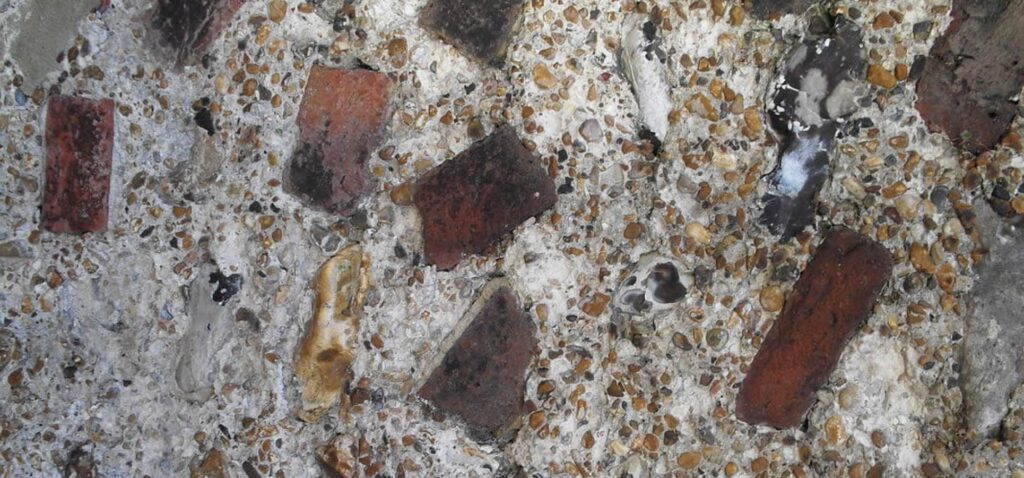
An example of bungaroosh. Find out more: Everything You Need to Know About Bungaroosh in Brighton.
Condition
If the property is built from the mid-20th century onwards, looks well-maintained and there’s no evidence of structural movement, a Level 2 is likely sufficient. But if you’ve spotted signs of damp, cracking, subsidence, or previous building work, a Level 3 will give you the reassurance you need.
Location and environment
In Sussex, local conditions can influence your choice:
- Coastal properties (such as those in Brighton, Worthing, and Eastbourne) face salt corrosion and weathering.
- Clay soils around Horsham and Haywards Heath and throughout the Weald can cause ground movement.
- Historic towns like Lewes and Arundel are rich in older, listed buildings that require careful inspection.
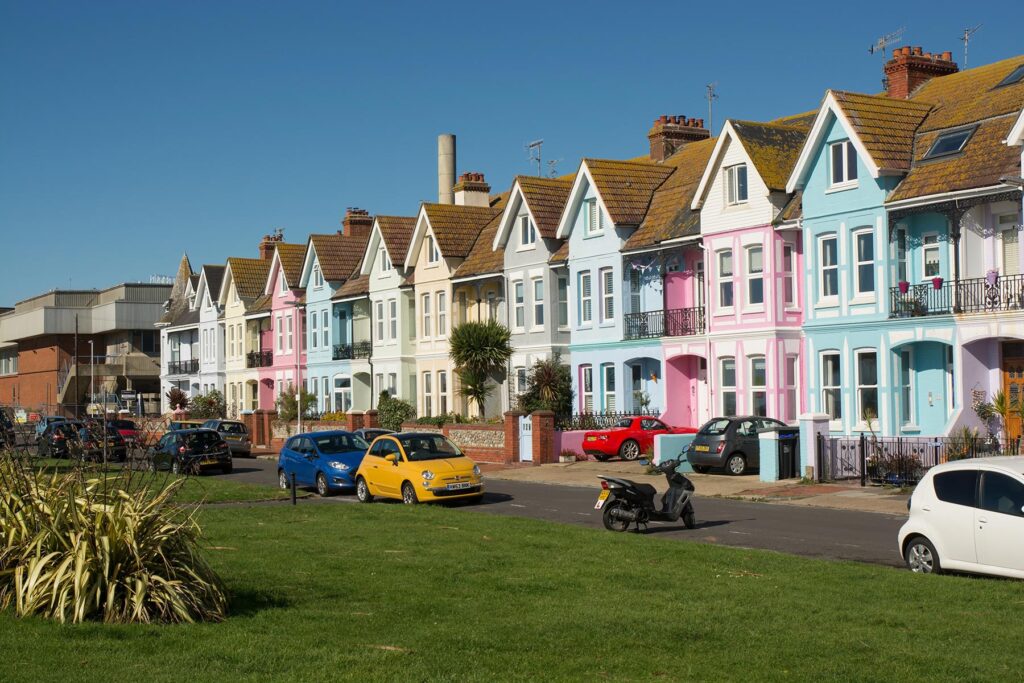
A local surveyor who understands these nuances can identify issues an out-of-area inspector might miss.
Your plans for the property
If you’re planning to extend, remodel, or modernise, a Level 3 survey provides valuable structural insight before any work begins. It can also help you prioritise future repairs and budget realistically.
Why expertise matters
A survey is only as good as the expertise behind it. Every Tate Surveying Services report is prepared by an experienced RICS-qualified surveyor who understands the quirks of Sussex properties – from bungaroosh walls in Brighton to weathered flint facades along the South Downs.
We identify issues and then we explain what they mean, how serious they are, and what you can do about them. Our reports are designed to be easy to read, genuinely useful, and completely transparent, giving you the knowledge to make confident decisions about your new home.
Still unsure which survey you need?
If you’re not sure whether a Level 2 or Level 3 survey is right for your property, we’re always happy to offer friendly, no-obligation advice. We’ll talk through the details of your potential purchase, explain the options clearly, and recommend the most suitable approach based on the property’s age, style, and condition.
- Level 2 Survey: great for newer, conventional homes in good condition.
- Level 3 Survey: essential for older, extended, or unusual buildings, or if you want a truly comprehensive picture of your property.
Whichever level of survey you choose, you’ll benefit from Tate Surveying’s careful, experienced approach and our commitment to clear, honest reporting.
Ready to book your survey or want to talk it through? Get in touch with our friendly team today:
Contact Tate Surveying Services. Or try our survey calculator and get an idea of the level of survey we’d recommended and an estimated cost.