
Your next steps after the survey: turning reports into action plans
Buying a property comes with a long list of decisions, and receiving your survey report is one of the most important moments in that journey. Whether you’ve commissioned a RICS Level 2 Home Survey, a more detailed Level 3 Building Survey, or a specialist investigation, the report is only truly useful when you know what to do with it.
At Tate Surveying Services, our aim isn’t just to hand you a report – it’s to make sure you understand what the findings mean, why they matter, and how to turn them into a practical plan for negotiation, repair or long-term maintenance.
Here’s our guide to the key steps you need to take once your survey lands in your inbox.
1. Understand the survey you’ve commissioned
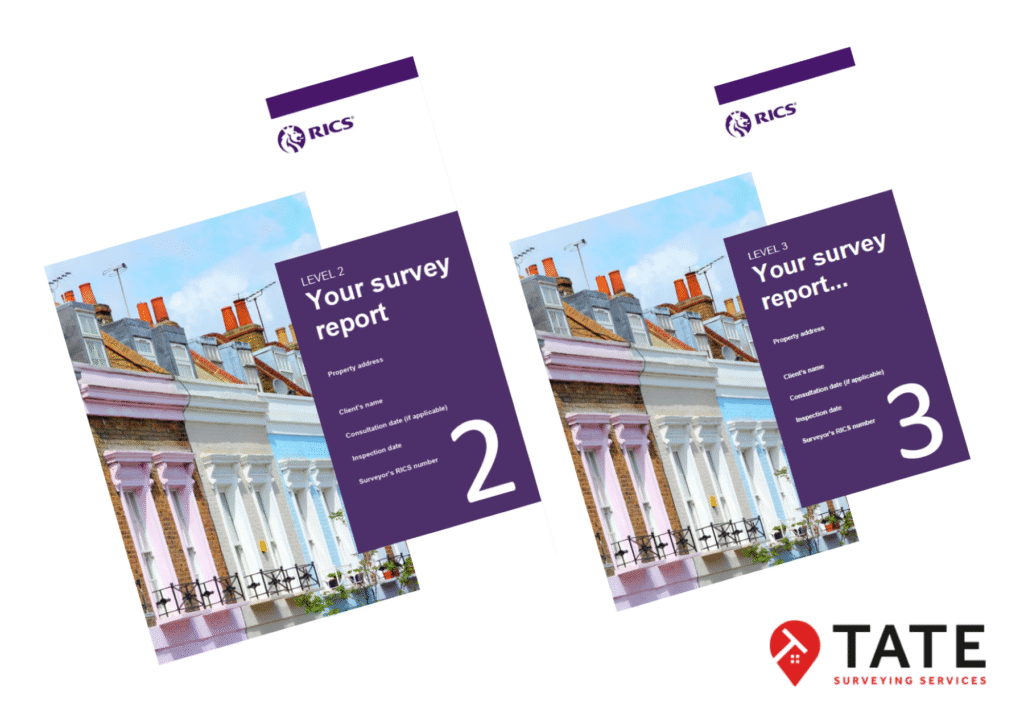
Level 2 Home Survey
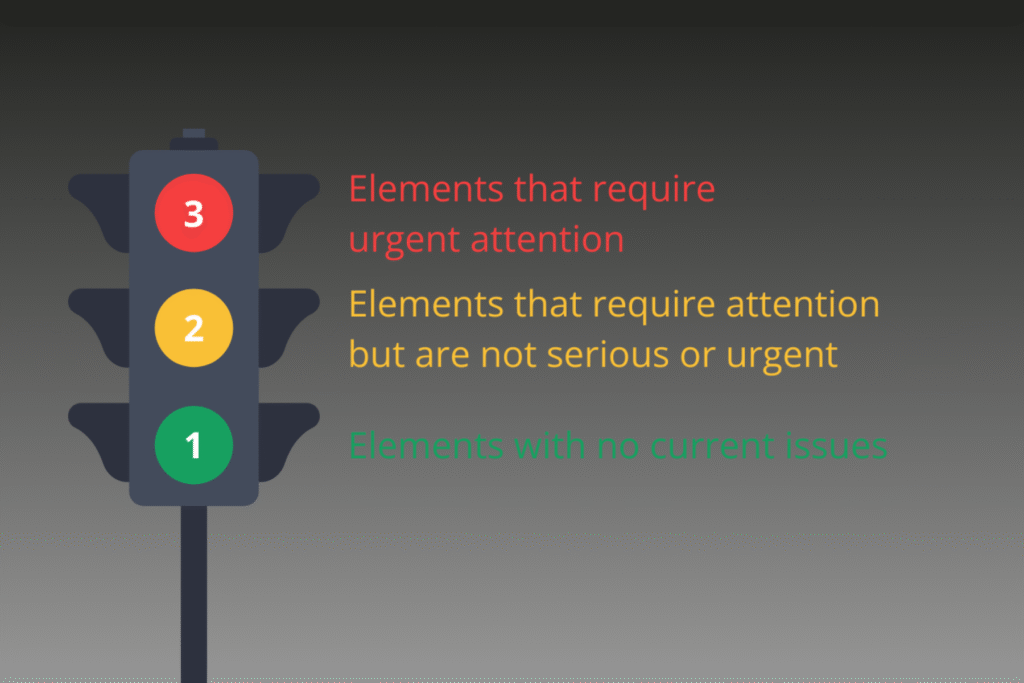
A RICS Level 2 survey will give you fairly extensive information about the property you’re thinking of buying. It’s ideal for modern or conventionally built homes that are in a reasonable condition. The report’s findings are usually grouped by element (roof, walls, services etc.) and traffic light colour-coded so you can see, at a glance, which issues need attention.
A Level 2 is designed to:
- Highlight visible defects
- Flag areas needing further investigation
- Warn you about potential future costs
You’ll typically receive a clear summary of priorities and an explanation of risks.
Level 3 Building Survey
A Level 3 Building Survey goes into more detail, providing deeper insight, and consequently can make quite difficult reading! But don’t worry, we will help you understand the report and any implications. This level of survey suits properties that are older, unusual, extended, or in poor condition, or for a property that you’re planning to make major alterations to.
Expect:
- Detailed explanations of defects, causes and implications
- Advice on repair options and estimated timescales
- Commentary on hidden or emerging risks
The Level 3 survey is particularly helpful for planning renovations or understanding long-term maintenance responsibilities.
2. Prioritise the findings
When you first read your survey, you may be taken aback by the number of items that are raised. Remember, not all issues are urgent! A good survey distinguishes between:
Urgent or safety-critical issues
For example: significant damp penetration, structural movement, roof covering failure.
These need prompt attention or further specialist assessment.
Defects needing repair in the short-to-medium term
For example: ageing windows, weathered pointing, gutters past their life expectancy.
Routine maintenance tasks
These aren’t “problems”, but they will protect the property’s condition – and your investment.
Tate Surveying take the time to explain which category each issue falls into and what the likely cost implications might be. Always ask if you’re unsure or feel overwhelmed by the report’s details.
3. Seek clarification if anything isn’t clear
A survey report is a technical document, and even confident, experienced buyers benefit from talking things through. We appreciate that a report with so much detail can be daunting.
If there’s something you’re unsure about:
- Ask your surveyor to walk you through the key findings
- Request more detail on the severity of an issue
- Discuss what “further investigation recommended” actually means
- Clarify whether something is typical for the property’s age or a genuine concern
Clear communication avoids unnecessary worry and ensures you don’t miss something important. If in doubt, ask!
I would thoroughly recommend Tate Surveying Services for any survey work. The Level 3 report was detailed and to the point, and my follow up questions were answered promptly. Our surveyor inspired confidence, expertise and an attention to detail. – D.H.
4. Arrange specialist investigations (if recommended)
Surveys identify problems; specialists diagnose and quote for solutions. Your report may include some ballpark figures for rectifying certain issues but you’ll need quotes from qualified contractors to give you a clearer idea of potential expenditure.
Depending on your report, you may need input from:
- Roofing contractors
- Damp or timber specialists
- Structural engineers
- Electricians, gas engineers or plumbers
- Tree root / arboricultural specialists
- CCTV drain survey providers
- Party wall surveyors (if works or boundaries are involved)
A Level 2 survey may highlight the need for additional inquiry, whereas a Level 3 often gives more diagnostic detail – but still, some issues benefit from expert testing or quotations.
Keeping a clear record of quotes, reports and correspondence will help you plan your next decisions.
5. Use the findings as part of your negotiation strategy
A survey doesn’t automatically mean renegotiation – but where significant defects are revealed, buyers may be able to successfully use the findings to:
- Renegotiate the purchase price,
- Request repairs before completion, or
- Agree on contributions to costs.
The key is to be reasonable and evidence based. Quotes, photos and excerpts from your survey help make your request clear and reasonable. You should also decide what would be a deal breaker – so if your seller won’t consider meeting your request some or all of the way, would that mean you wouldn’t proceed with the purchase, for example.
Examples of strong negotiation points include:
- Structural repairs
- Roof replacement
- Damp penetration
- Serious timber decay
- Drainage failure
- Unsafe electrics or gas installations
Less strong (but still valid) points include outdated finishes, worn windows, or items approaching end-of-life.
If you’d like help identifying which defects carry the most weight, we can guide you through the points most likely to influence discussions.
6. Create your post-purchase maintenance plan
Even if you choose not to renegotiate, your survey provides a ready-made maintenance roadmap. This will help you plan for remedial works, both in terms of timescale and cost.
This is especially useful if:
- You’re buying an older period property
- You want to budget for future works
- You’re planning renovations and want to sequence them efficiently
A Level 3 survey in particular gives long-term insight into areas such as:
- Roof life expectancy
- Timber condition
- Ventilation improvements
- Drainage performance
- External repairs and cyclical maintenance
- Energy efficiency upgrades
Treat your survey as a handbook for looking after your home – not just a list of problems.
7. What if your report covers specialist survey types?
If you have also had, or are considering, other surveys, here’s how they feed into your action plan. These are optional unless your survey specifically recommends them:
Party wall agreement
A party wall is a shared wall or structure that stands on the boundary of land belonging to two (or more) different owners and is used by both properties. For example, in terraced and semi-detached houses where they form the structural divide between homes. A party wall agreement is useful if you’re buying a property where neighbours’ work may impact your structure – or if you plan to extend.
The report clarifies rights, responsibilities and legal protections.
Damp survey
Older properties in particular may have traces of damp. A specific damp survey provides in-depth analysis of moisture sources, severity and required repairs.
This is particularly valuable if your Level 2/3 survey flagged damp but couldn’t confirm the cause.
Specific defect survey
If one issue stands out (cracking, roof sagging, uneven floors, for example), a focused investigation gives you definitive advice and accurate costings.
Timber and roof structure surveys
These surveys are particularly important for older or heavily altered homes, where issues may not be visible during a non-intrusive survey.
They’ll equip you with the detail you need to make informed decisions and avoid unexpected expenditure.
“I recently asked Tate to undertake a defect survey of my house due to the appearance of black mould. The Tate surveyor was extremely thorough and easy to talk to about the problems he had encountered. The written report was extensive and detailed all the work that needed to be carried out.” – Judi Smith
Remember: your survey is the start of the conversation. Not the end.
A survey report can feel overwhelming, especially when it contains unfamiliar terminology or unexpected findings. But with the right guidance, it becomes a powerful tool: one that helps you negotiate fairly, plan repairs confidently, and protect the long-term value of your home.
If you’d like help interpreting your report – or if you’re preparing to commission one – we’re here to help.
Get in touch with Tate Surveyors or use our quick estimate calculator to get started.