
10 common property defects and what they really mean
Property surveys have a reputation for being alarming. Buyers open the report expecting reassurance and instead find a list of “defects” – cracks, damp, movement, roof issues – often described in careful, technical language that can feel far more serious than expected.
The reality is very different.
Most properties, particularly older ones, have defects of some kind. In fact, a survey that finds nothing to comment on would be far more unusual than one that highlights a range of issues. Surveyors are trained to identify risk, explain limitations, and flag matters that may need attention, not to declare a building unsound.
Surveys are incredibly useful in helping you decide whether to invest in a property or not. Although they’re not a legal requirement, it can prove costly if you don’t have insight into what you’re buying – as many as a quarter of those who do not have surveys go on to report major issues after moving in.
Many of the defects commonly noted in surveys are routine, manageable, or historic, and form part of a building’s normal behaviour over time. Others may require further investigation or maintenance, but only a small proportion represent serious or urgent problems.
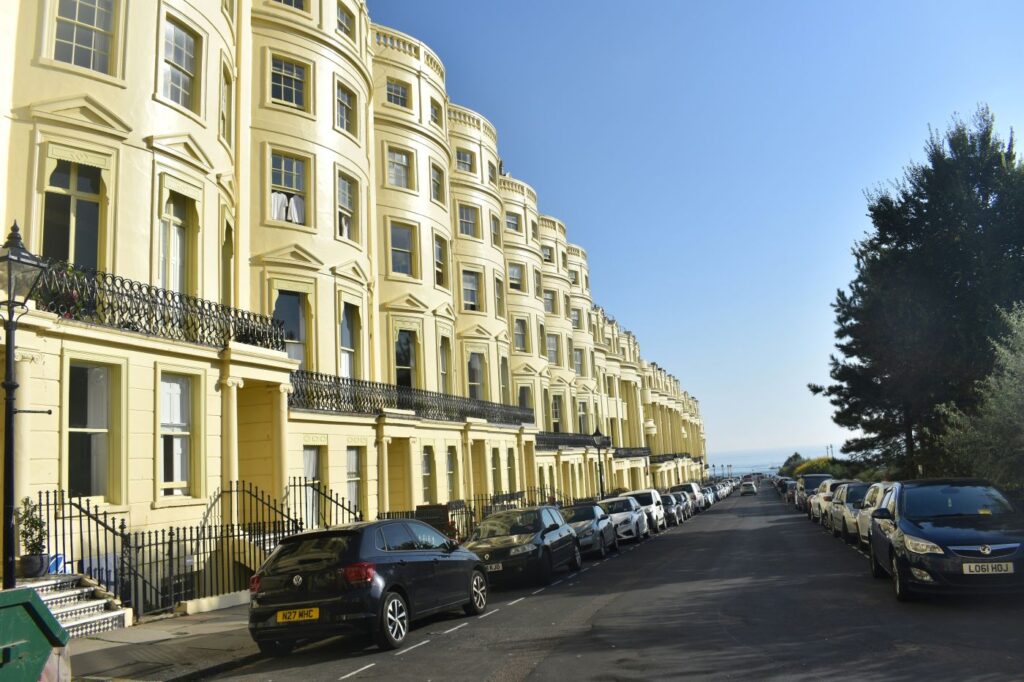
Photo by Martina Jorden on Unsplash
This article looks at ten of the most common defects found during property surveys and explains what they really mean. For each one, we’ve set out what surveyors typically see, why the issue is raised, how serious it usually is, and what action – if any – is normally required.
The aim is not to downplay genuine risks, but to provide context and perspective, so buyers can make informed decisions with confidence rather than concern.
We start with one of the most frequently reported, and most misunderstood, survey findings: cracking in walls.
1. Cracks in walls
Cracks are one of the most common defects noted in property surveys and often one of the most alarming for buyers. In reality, many cracks are entirely routine and form part of a building’s natural movement over time.
What surveyors usually see
Cracks typically appear around door and window openings, corners of rooms, and ceilings and junctions between walls. They can range from fine, hairline cracks in plaster to wider, stepped cracks following brickwork externally.
In many older properties, especially those built in the late 19th and early 20th centuries, cracking is almost unavoidable due to the materials and construction methods used.
What it usually means
Most cracking falls into one of three categories:
- Shrinkage or thermal movement – caused by plaster drying, temperature changes, or normal settlement
- Historic movement – movement that occurred years ago and has since stabilised
- Ongoing structural movement – far less common, but more serious
Surveyors assess not just the presence of cracks, but their width, pattern, location, and consistency, as well as whether there is any evidence they are continuing to move.
How serious is it?
In the majority of cases, cracking is cosmetic rather than structural.
Cracks are more likely to be a concern if they are wider than a few millimetres; run diagonally or in a stepped pattern through brickwork; are accompanied by sticking doors or sloping floors or appear to be getting worse over time.
Even then, further investigation is often recommended to confirm the cause, rather than assume the worst.
What you should do about it
Depending on the type and severity of cracking, the next steps might include:
- Monitoring over time
- Minor repairs and redecoration
- A specialist inspection by a structural engineer (in a small minority of cases)
Surveyors will usually advise proportionate action rather than immediate major works.
Typical cost implications
Crack-related repair costs vary widely. Cosmetic repairs (such as filling and redecorating) are likely to cost a few hundred pounds, localised masonry repairs will be in the low thousands and structural repairs, while uncommon, are potentially higher if required.
Costs vary significantly depending on cause and access, which is why surveys focus on identifying risk, not pricing works precisely.
Sussex context
Cracking is not unique to Sussex properties but is found in the area due to a high proportion of Victorian and Edwardian housing, properties with solid-wall construction and lime plaster as well as historic movement that has long since stabilised.
In many cases, cracks noted in surveys reflect the age and character of the building, rather than a defect that needs urgent attention.
2. Damp
Damp is one of the most frequently reported issues in property surveys – and one of the most commonly misunderstood. The word itself covers a range of different problems, many of which are far less serious than buyers initially fear.
What surveyors usually see
Surveyors may note signs such as staining, peeling paint, mould growth, or high moisture readings, often at lower wall levels or in corners of rooms. These indicators prompt further assessment rather than an immediate diagnosis
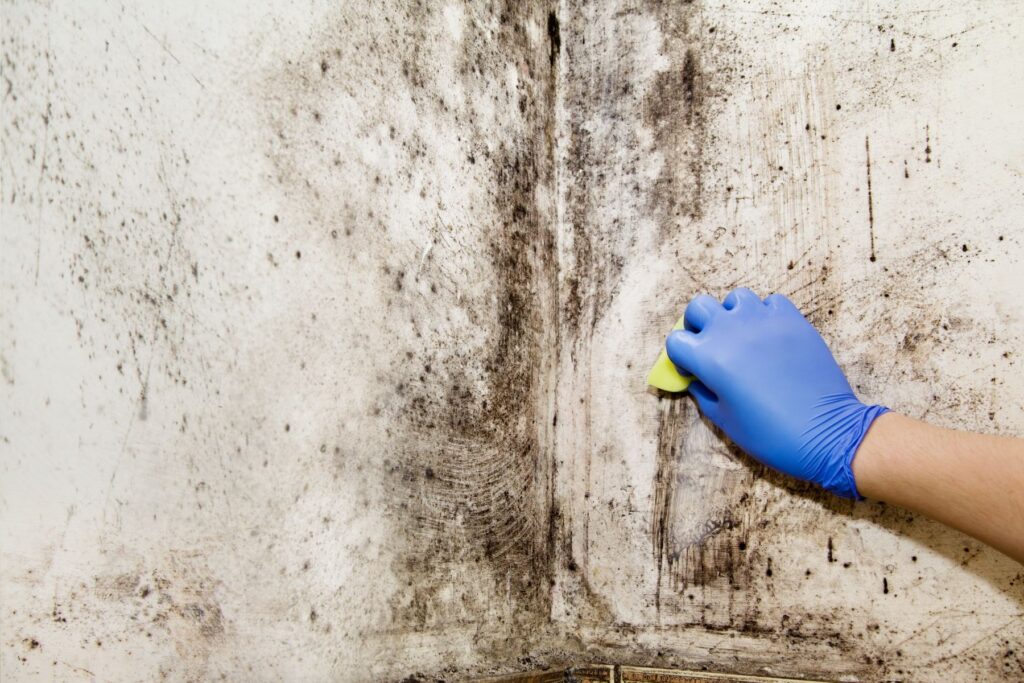
Black mould on walls caused by condensation
What it usually means
In many homes, damp-related symptoms are caused by condensation, particularly where ventilation is poor. Penetrating damp from external defects (such as damaged gutters or pointing) is also common. True rising damp is relatively rare, despite its reputation.
Surveyors look at the building’s construction, ventilation, and exposure before drawing conclusions.
How serious is it?
Often, damp issues are manageable rather than structural. Serious concern usually arises only where moisture is persistent, widespread, and linked to building defects that have gone unaddressed for long periods.
What you should do about it
Next steps might include improving ventilation, carrying out targeted repairs externally, or seeking specialist advice to confirm the cause. Wholesale treatments are rarely the first answer.
Typical cost implications
Costs can range from minor adjustments and maintenance to more involved repairs if external defects are present. Accurate diagnosis is key to avoiding unnecessary expense.
Sussex context
Coastal exposure, solid-wall construction, and converted flats are all common in Sussex and can contribute to condensation-related issues, particularly in older buildings.
3. Roof coverings and roof condition
Roofs are critical to a building’s performance, but they’re also one of the hardest elements for surveyors to inspect in detail. Tate will use a drone to provide additional information so you have a clearer picture.
What surveyors usually see
Reports often note slipped or missing tiles, ageing coverings, moss growth, or limited access preventing close inspection. These observations are usually cautious rather than critical.
What it usually means
In many cases, defects reflect normal wear and tear rather than failure. Surveyors flag roofs because small issues can escalate if ignored, not because replacement is assumed.
How serious is it?
Many roof-related comments relate to maintenance, not imminent leaks. More serious concern arises where coverings are near the end of their service life or where defects are widespread.
What you should do about it
Targeted repairs or further inspection by a roofer may be advised, particularly if access was limited at the time of the survey.
Typical cost implications
Minor repairs are often relatively modest, while larger works depend on roof type, access, and materials.
4. Timber defects (rot and woodworm)
Timber issues are commonly flagged in surveys, particularly in older properties, but they’re often historic rather than active.
What surveyors usually see
Evidence might include old woodworm holes, localised decay, or staining around timber elements such as skirting boards or roof structures.
What it usually means
Many properties show signs of past infestation or decay that is no longer active. Surveyors look for signs of ongoing moisture or structural weakening before raising a concern.
How serious is it?
Active timber decay is far less common than historic evidence. Where present, it’s usually localised and linked to a specific moisture source.
What you should do about it
Further inspection may be recommended to confirm whether treatment is needed, or whether repairs and improved ventilation are sufficient.
Typical cost implications
Costs vary widely, but many cases involve localised repairs rather than extensive treatment.
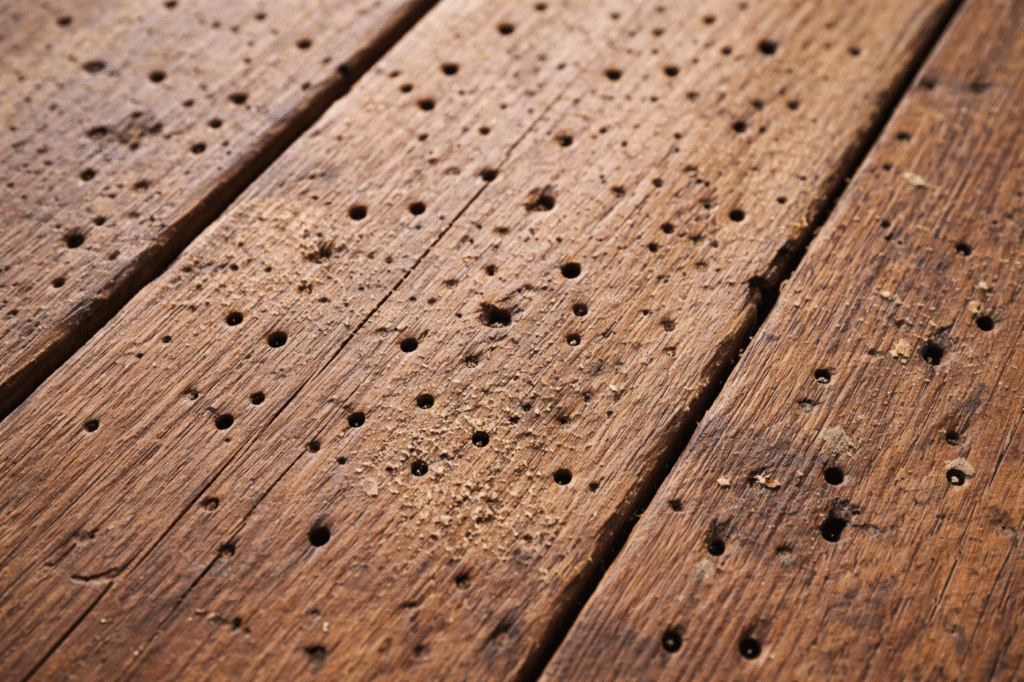
Woodworm in floorboards
5. Subsidence and ground movement
Few words worry buyers more than “subsidence”, yet confirmed cases are relatively uncommon.
What surveyors usually see
Surveyors may note cracking patterns or slight distortions that indicate movement, without concluding on the cause.
What it usually means
Movement can result from settlement, thermal changes, or historic factors. Subsidence is only one possible explanation, and not the most likely in most cases.
How serious is it?
Most movement identified in surveys is historic and stable. Ongoing movement requires further investigation, but this is the exception rather than the rule.
What you should do about it
Monitoring or specialist advice may be recommended to establish whether movement is ongoing and whether any action is required.
Typical cost implications
Many cases require no immediate work, while confirmed structural movement can involve higher costs if intervention is necessary.
Sussex context
Clay soils and mature trees in parts of Sussex can contribute to movement, particularly in older buildings with shallow foundations.
6. Poor alterations and DIY works
Alterations are common in residential properties, but not all are carried out to the same standard.
What surveyors usually see
Issues may include removed walls, altered roof spaces, or extensions that lack clear evidence of proper design or approval.
What it usually means
The concern is less about legality and more about structural adequacy and workmanship.
How serious is it?
Many alterations perform perfectly well. Risk increases where structural changes are unsupported or poorly detailed.
What you should do about it
Further checks or confirmation of approvals may be advised, particularly where alterations affect load-bearing elements.
Typical cost implications
Costs depend on whether works need upgrading or simply confirming, rather than correcting.
Tate did a Building Survey on a Ground Floor Flat we were hoping to buy. As it had a complicated history of change of use, it was reassuring to be offered the opportunity to outline areas of specific concern we had before the survey took place… The survey was definitely worth every penny we spent on it and ultimately saved us money – purchase of that particular property would have proved disastrous!
J.M.
7. Drainage issues
Drainage is rarely visible, which is why it often receives cautious commentary in surveys.
What surveyors usually see
Surveyors may note shared drains, older pipework, or limited inspection points.
What it usually means
These comments reflect limited visibility, not known defects.
How serious is it?
Most drainage systems function without issue. Problems usually come to light through symptoms such as blockages or slow flow.
What you should do about it
A CCTV survey may be recommended where risk is unclear or where issues are suspected.
Typical cost implications
Inspection costs are modest compared to the disruption of unplanned repairs.
8. Electrical installations
Electrical systems are commonly described as “not tested” in surveys, which can cause confusion. They don’t fall under the remit of a surveyor as electrical systems should only be tested and approved by fully qualified electricians.
What surveyors usually see
Older consumer units, mixed wiring, or installations of unknown age.
What it usually means
Surveyors are not permitted to test electrics in detail. Comments reflect age and visibility, not confirmed danger.

Electrical consumer unit, typically found in UK homes.
How serious is it?
Many older systems remain serviceable but may not meet modern standards.
What you should do about it
An electrical inspection can confirm safety and identify whether upgrades are needed.
Typical cost implications
Costs range from minor improvements to more extensive rewiring, depending on findings.
9. Insulation and thermal performance
Energy performance is increasingly important, particularly in older housing stock.
What surveyors usually see
Limited insulation, particularly in lofts or solid-wall properties.
What it usually means
This reflects construction era, not neglect.
How serious is it?
Poor insulation affects comfort and running costs, rather than structural integrity.
What you should do about it
Upgrades can often be phased and targeted.
Typical cost implications
Many improvements are relatively cost-effective and offer long-term savings.
10. Asbestos-containing materials
Asbestos is often present in older buildings, but its presence alone is not unusual.
What surveyors usually see
Textured coatings (such as Artex), floor tiles, or cement sheets in garages and outbuildings.
What it usually means
Asbestos only poses a risk if disturbed or damaged.
How serious is it?
In many cases, management is preferable to removal.
What you should do about it
Specialist testing can confirm presence and inform next steps.
Typical cost implications
Costs depend on location, condition, and whether removal is necessary.
Get peace of mind with a home survey
Most properties contain defects of some kind. A survey’s purpose is not to create a perfect building, but to help buyers understand risk, context, and proportion, so informed decisions can be made with confidence.
We are always happy to talk over any aspects of your survey that you’re not sure about, to give you peace of mind and a full, transparent picture of any action you may – or may not – need to take.